Among the six million adults in New York City, nearly one in four experience a mental health disorder in a given year, according to the Department of Health and Mental Hygiene.
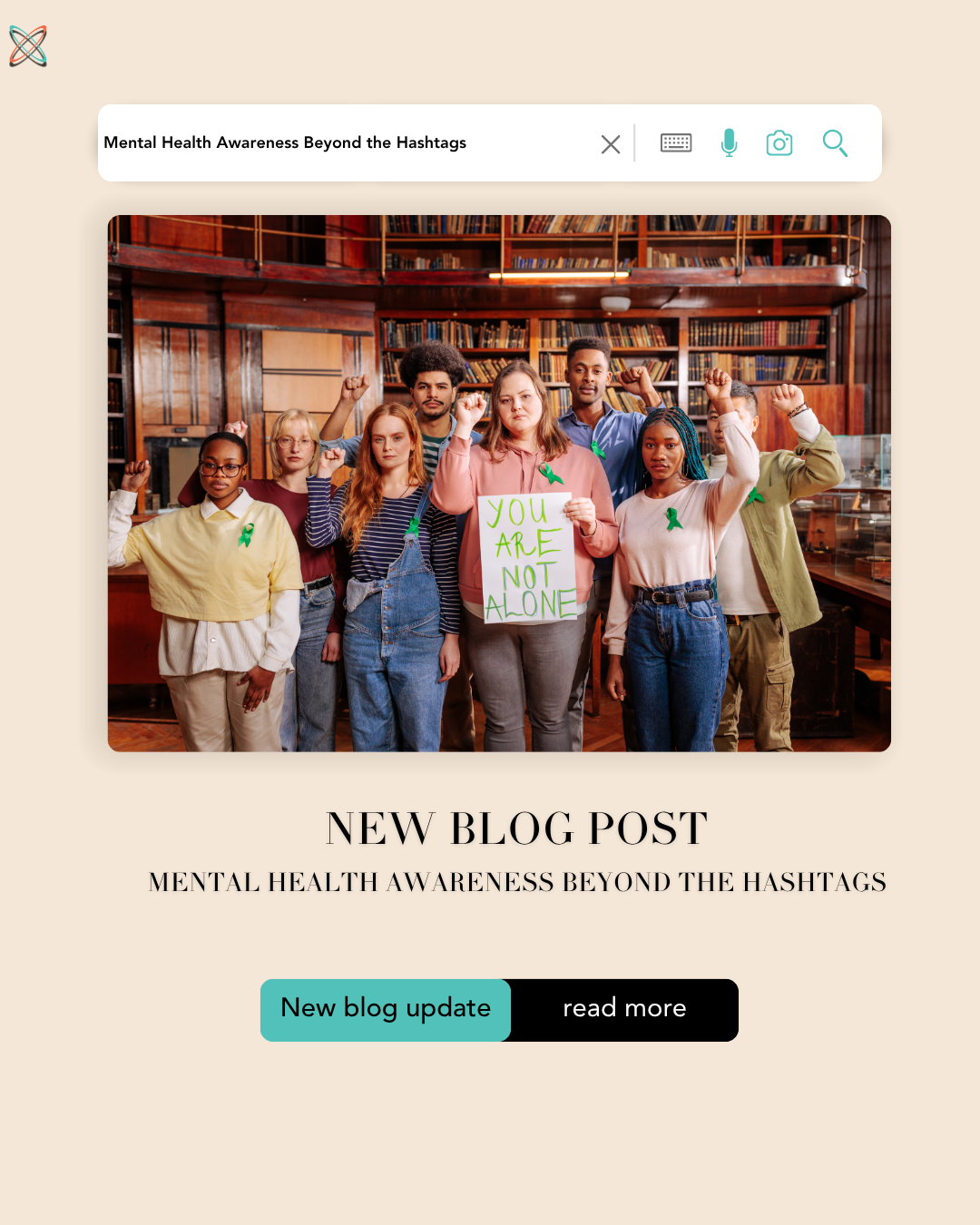
Every May, social media is filled with affirmations and countless captions like”Mental Health Matters.” But Mental Health Awareness Month goes beyond a month-long campaign for many families in the New York and New Jersey area and across the country. Most importantly, awareness without action leaves the hardest conversations still sitting alone at the dinner table.
True mental health awareness doesn’t live in a hashtag. It lives in the moment a parent notices their teenager has gone quiet. It lives in the uncomfortable silence after someone says I’m not okay. It lives in the family that loves each other deeply but has never learned how to talk about what’s really happening beneath the surface. It’s where emotional awareness, connection, and community care begins.
The Stigma Is Still Real
The stigma around mental health didn’t disappear because the conversation became more public. For many families, especially in communities of color, immigrant households, and multigenerational homes, mental health struggles are still treated as private failures rather than human experiences.
Phrases like “just pray about it,” “don’t tell our business,” or “you have nothing to be sad about” aren’t said out of cruelty. They come from generations of survival from people who didn’t have access to language or resources for what they were feeling. But survival-mode coping passed down through families can become a wall between the people who love each other most.
It’s important to acknowledge that stigma exists. Remove the shame. And take active steps toward change
What It Means to Talk About It as a Family
Opening the door to mental health conversations at home doesn’t require a therapist in the room. It starts with asking how are you really doing and staying long enough to hear the answer. It means normalizing that feelings like anxiety, grief, anger, and emotional exhaustion are not signs of weakness but signals that something needs attention.
Families can begin by:
Creating space without judgment.
Let feelings be named before they’re fixed. When someone shares that they’re struggling, resist the urge to immediately solve or minimize. Simply listening is powerful.
Using everyday language.
Mental health doesn’t need clinical framing to be discussed. Talking about feeling overwhelmed, disconnected, or burnt out is already the conversation.
Modeling emotional awareness.
Children and teens learn how to handle emotions by watching the adults in their lives. When parents name their own emotions — I’ve been feeling really stressed this week — they give their children permission to do the same.
These conversations won’t always feel comfortable. But discomfort is often the first sign that something meaningful is happening.
When Families Need More Support
Sometimes love and good intentions aren’t enough. Some families find themselves in cycles of miscommunication, conflict, or emotional disconnection that they can’t seem to break through on their own. Someone might be struggling with depression or anxiety that the family doesn’t fully understand. A loss, a major life transition, or a long-unspoken wound might be quietly reshaping how everyone in the home relates to one another.
This is where family therapy becomes an invaluable resource. Every family deserves a space designed specifically for healing and growth.
Family therapy offers a structured, supportive environment where all members can learn to communicate more effectively, understand each other’s emotional experiences, and work through challenges with a trained professional guiding the process. For families in the New York and New Jersey area, access to culturally responsive therapists and mental health professionals who understand the diverse lived experiences of this region makes a real difference.
Finding the Right Resources
One of the biggest barriers families face is not knowing where to start.The most powerful thing a family can do is reach out before things feel unbearable. If you or your family are ready to explore support, here are a few steps to take:
Talk to your primary care provider about a referral to a licensed therapist or family counselor.
Check your insurance benefits for in-network mental health providers, including telehealth options that have expanded access significantly.
Search the Psychology Today therapist directory and filter by location, specialty, and cultural background.
Reach out to community mental health centers in New York and New Jersey, many of which offer sliding-scale fees.
Remind yourself not to wait for a crisis to ask for help.
Awareness That Goes All the Way Home
This Mental Health Awareness Month, the most meaningful thing you can do isn’t posting a quote or keeping a mental health struggle secret. It's having a real conversation with your partner, your child, your parent or yourself.
Emotional awareness isn’t a trend. It’s the ongoing, everyday practice of paying attention to what you and the people you love are actually feeling and deciding that it matters enough to talk about and seek support.
If your family is ready to start that conversation with professional support, Ibisanmi
Relational Health Therapists proudly serve families across New York and New Jersey who are ready to move from awareness to healing.
Book your initial consultation or schedule your first session together today