



If you struggle with setting healthy boundaries and want to create an adaptive framework for your relationships, it may take practice and patience to strike the right balance, especially if you have never seen this modeled in your own home
As summer comes to a close, and the fall season is on the horizon, it’s easy to fall back into negative patterns. You don’t need to change your personality to start. If you are a person that chooses silence as a response or no as complete sentence, then it’s more about noticing when you’re about to trade what’s true for what’s easy.
Summertime is still a time to look forward to, but if you’re someone who is not used to having downtime, you may need a reframe and the tools to make slowing down work for you.
Here’s a reframe: “The discomfort isn’t a problem, it’s a signal.”
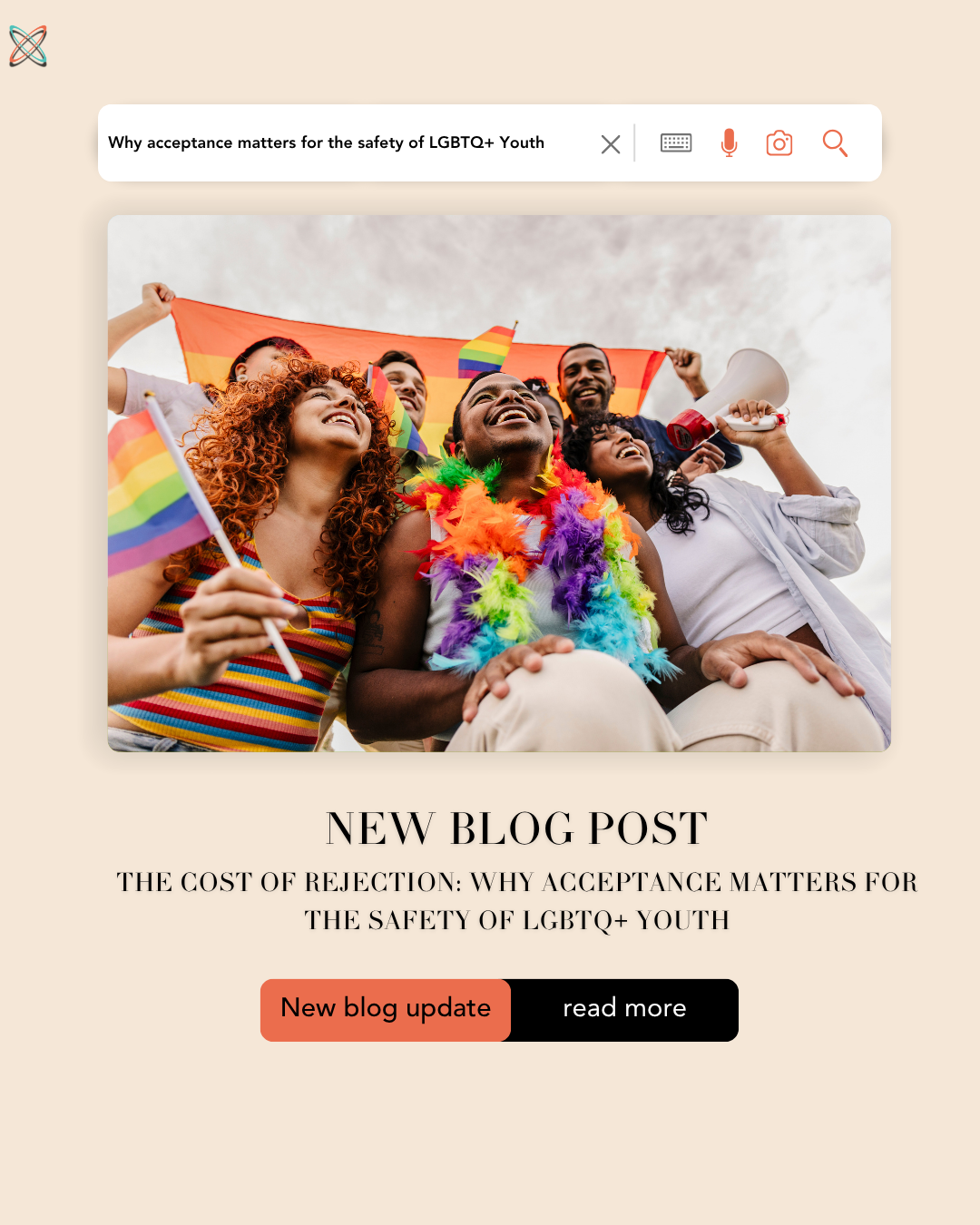
Building a supportive and inclusive community for LGBTQIA youth requires a collective effort from families,schools, churches and community organizations. Family therapy can play a critical role in this process by empowering families to communicate and navigate the challenges they face and remind young people they don’t have to face the world on their own.
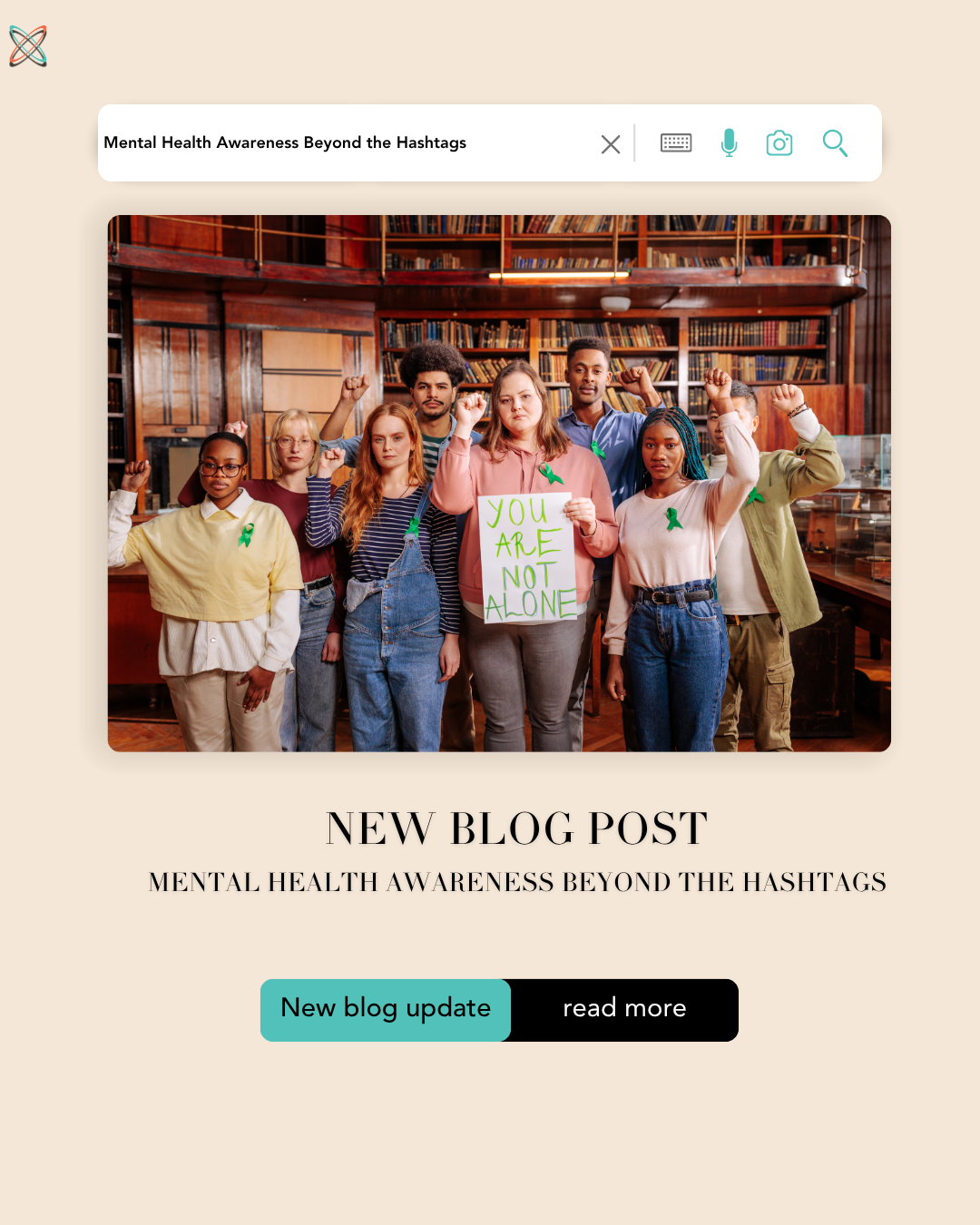
True mental health awareness doesn’t live in a hashtag. It lives in the moment a parent notices their teenager has gone quiet. It lives in the uncomfortable silence after someone says I’m not okay. It lives in the family that loves each other deeply but has never learned how to talk about what’s really happening beneath the surface. It’s where emotional awareness, connection, and community care begins.
Children learn emotional regulation by watching the adults around them. When a parent can pause, take a breath, and respond thoughtfully instead of reactively, especially during conflict or stress, children internalize that pattern.
Creating emotionally healthy environments for children requires adults to first develop their own emotional capacity. Here's what that foundation includes:
As summer comes to a close, and the fall season is on the horizon, it’s easy to fall back into negative patterns. You don’t need to change your personality to start. If you are a person that chooses silence as a response or no as complete sentence, then it’s more about noticing when you’re about to trade what’s true for what’s easy.
Summertime is still a time to look forward to, but if you’re someone who is not used to having downtime, you may need a reframe and the tools to make slowing down work for you.
Here’s a reframe: “The discomfort isn’t a problem, it’s a signal.”
Building a supportive and inclusive community for LGBTQIA youth requires a collective effort from families,schools, churches and community organizations. Family therapy can play a critical role in this process by empowering families to communicate and navigate the challenges they face and remind young people they don’t have to face the world on their own.
True mental health awareness doesn’t live in a hashtag. It lives in the moment a parent notices their teenager has gone quiet. It lives in the uncomfortable silence after someone says I’m not okay. It lives in the family that loves each other deeply but has never learned how to talk about what’s really happening beneath the surface. It’s where emotional awareness, connection, and community care begins.
Children learn emotional regulation by watching the adults around them. When a parent can pause, take a breath, and respond thoughtfully instead of reactively, especially during conflict or stress, children internalize that pattern.
Creating emotionally healthy environments for children requires adults to first develop their own emotional capacity. Here's what that foundation includes:
Valentine’s Day often floods our feeds with images of over-the-top bouquets, candlelit dinners, and #couplesgoals hashtags. We’re taught to chase the appearance of a perfect bond, yet behind closed doors, many of us are struggling with a persistent, quiet disconnect. When couples walk into therapy, the most common grievances usually fall into two categories: "We don’t communicate" or "We’ve lost our intimacy."